Popular
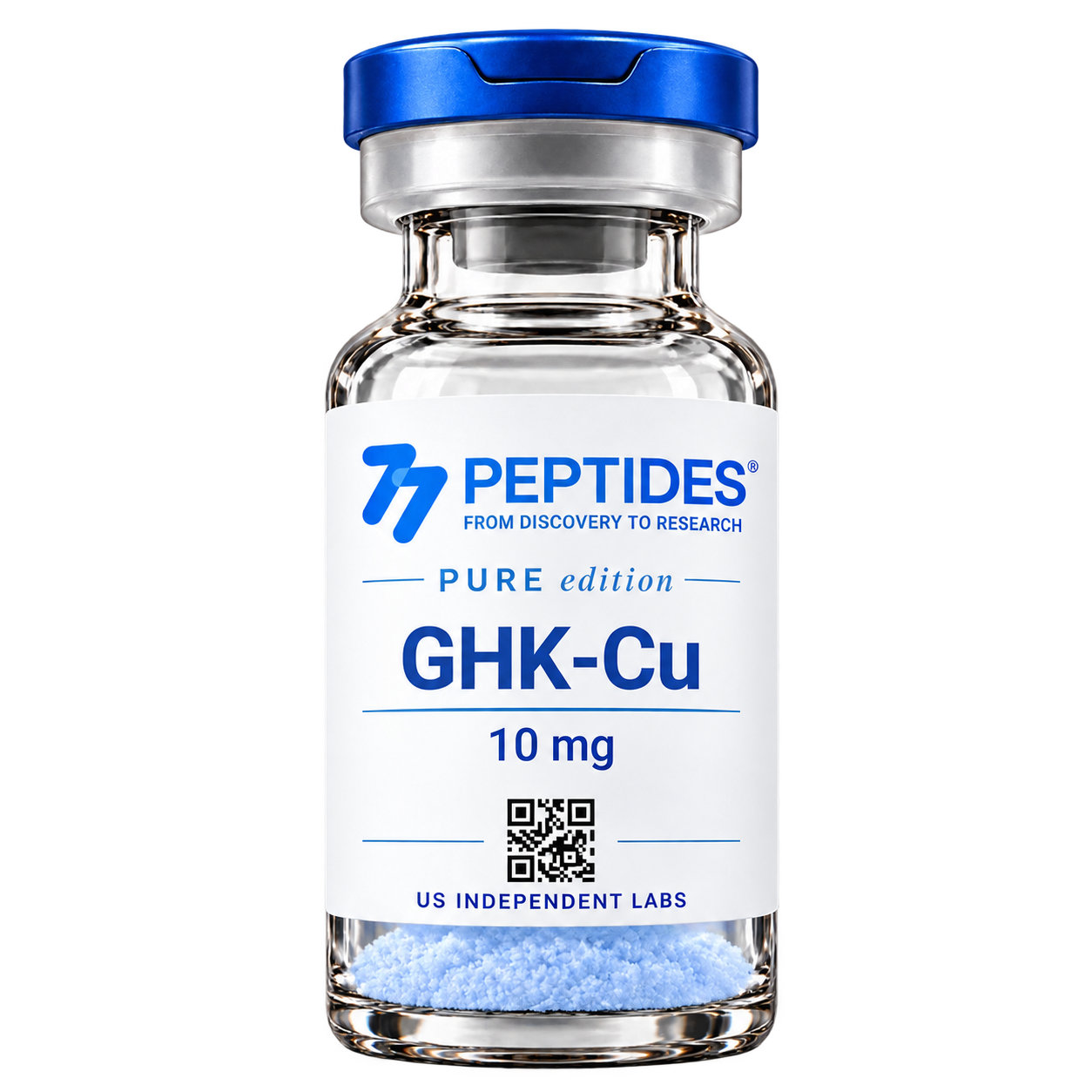
GHK-Cu
$69.99


Trusted by customers with 4.8/5 average rating.
Ipamorelin research compound. Supplied as a lyophilized peptide reference material for laboratory research applications.
For laboratory research use only — Research Use Only (RUO).
Direct from manufacturer to researcher
Shipping options confirmed at checkout
For laboratory research only
Ipamorelin · Report amount: 10mg
 HPLC Testing
 Endotoxin Assay
 TYMC Test
 TAMC Test
 Heavy Metal Screening
| Molecular Formula | C38H49N9O5 |
|---|---|
| CAS-number | 170851-70-4 |
| Molar Mass | 711.86 g/mol |
| Chemical Formula | H-Aib-His-D-2-Nal-D-Phe-Lys-NH2 |
| Amino Acid Sequence | Aib-His-D-2-Nal-D-Phe-Lys |
| Synonyms | NNC 26-0161, Ipamorelin acetate |
| Solubility | Water-soluble |
| Organoleptic Profile | White to off-white powder |
| Composition | Lyophilized powder - requires reconstitution |
Ipamorelin is a selective agonist of the ghrelin receptor (GHS-R1a) and stimulates the release of growth hormone (GH) from the anterior pituitary gland. Unlike other GH secretagogues, Ipamorelin does not significantly increase levels of adrenocorticotropic hormone (ACTH), cortisol, or prolactin. This selectivity makes Ipamorelin a promising research peptide for studying the effects of GH secretion without the confounding effects of other hormones. Ipamorelin binds to the GHS-R1a receptor, which is primarily expressed in the hypothalamus and pituitary gland. Upon binding, it triggers a cascade of signaling events that ultimately lead to the synthesis and secretion of GH. The released GH then binds to its receptors in various target tissues, such as the liver, muscle, and bone, to exert its anabolic effects.
Handle as a laboratory research chemical of unknown hazard. Use gloves and eye protection, avoid inhalation of the lyophilized powder, and follow standard laboratory handling procedures. Reconstitute and store according to the product label. Lyophilized material should be kept cool, dry and protected from light; reconstituted material should be held at 2-8°C and protected from light. The safety profile of Ipamorelin has not been established. This compound is supplied for laboratory research use only and is approved for laboratory research use only (RUO).
Ipamorelin is a research peptide and selective ghrelin receptor agonist that stimulates the secretion of growth hormone (GH) from the pituitary gland. Animal studies have demonstrated its potential benefits in promoting GH release, regulating appetite, improving body composition, supporting bone health, and enhancing cardiovascular function. Ipamorelin's selectivity for GH secretion without significantly affecting other hormones makes it a promising research tool in the fields of endocrinology, metabolism, and aging. However, further research is needed to fully elucidate its mechanisms of action, potential research applications, and safety profile in mammalian models. Research context only. Research Use Only (RUO).
All products on this site are for research and development use only. All products are Research Use Only (RUO). Neither the statements nor the products offered are intended to diagnose, treat, cure, or prevent any disease.
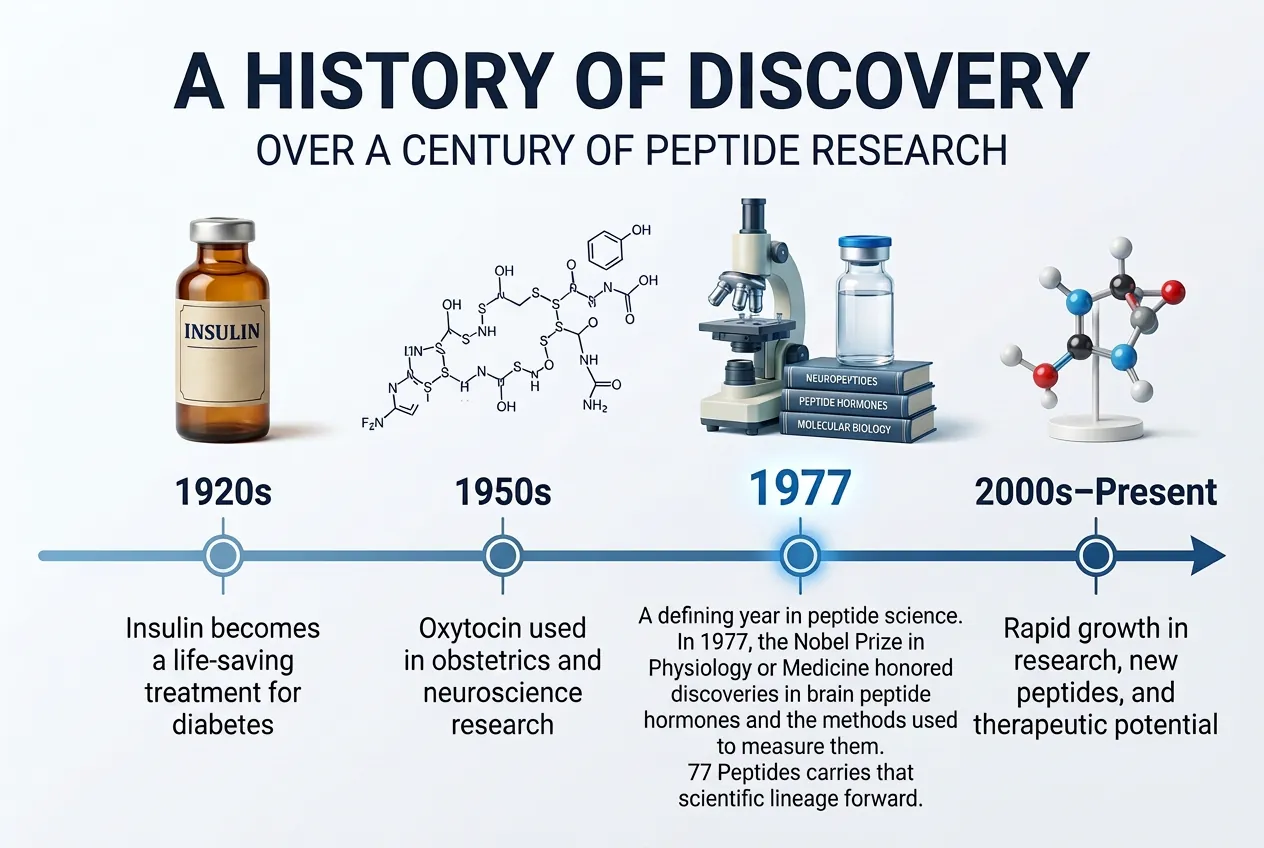
From the discoveries of 1977 to the next chapter in peptide science.
Explore research insights