Popular
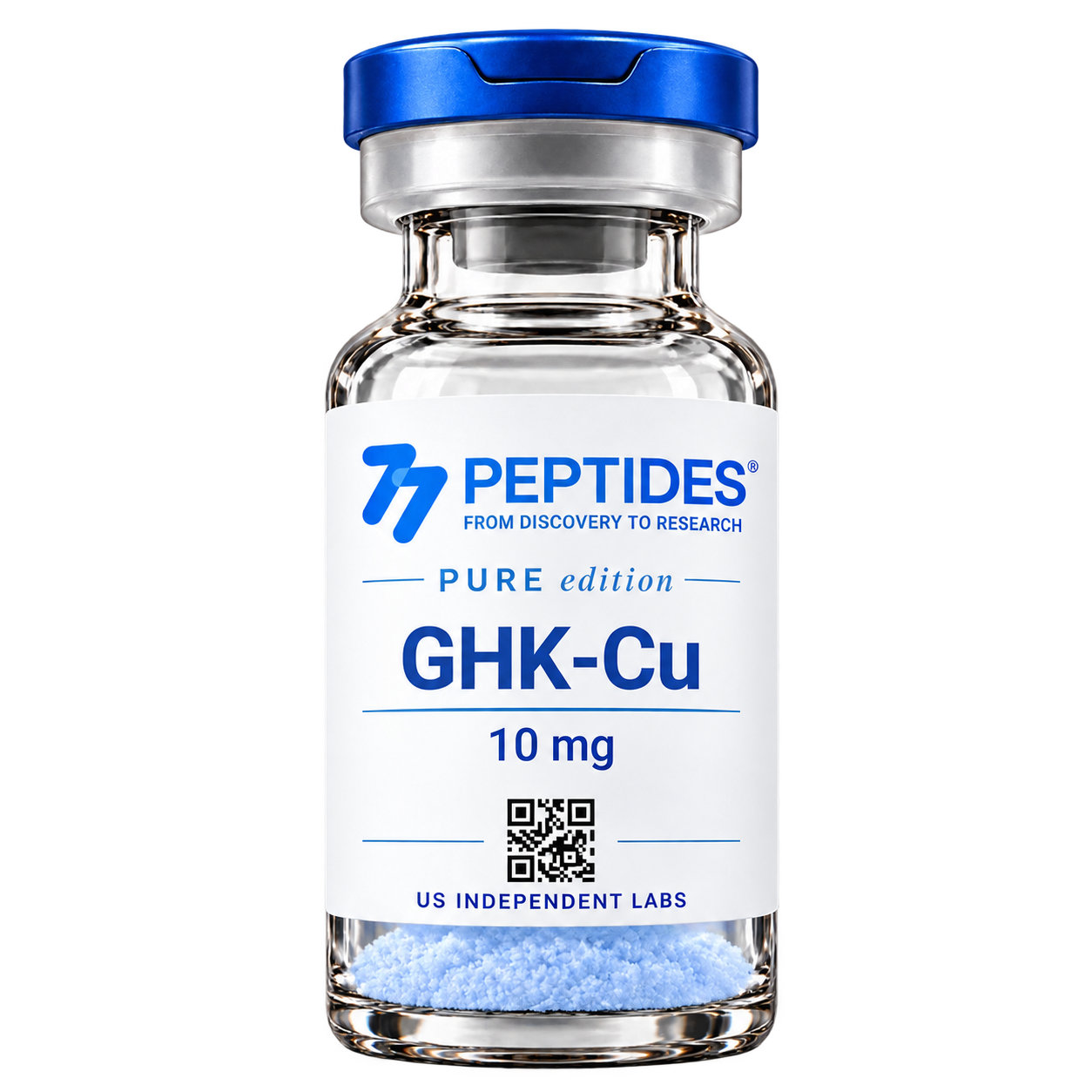
GHK-Cu
$69.99


Trusted by customers with 4.8/5 average rating.
Thymalin research compound. Supplied as a lyophilized peptide reference material for laboratory research applications.
For laboratory research use only — Research Use Only (RUO).
Direct from manufacturer to researcher
Shipping options confirmed at checkout
For laboratory research only
Thymalin · Report amount: 10mg
 HPLC Testing
 Endotoxin Assay
 TYMC Test
 TAMC Test
 Heavy Metal Screening
| Molecular Formula | C143H215N43O39S |
|---|---|
| CAS Number | 63958-90-7 |
| Molar Mass | 3,108.5 g/mol |
| Amino Acid Sequence | Ala-Lys-Asp-Val-Tyr-Lys-Arg-Lys-Asp-Val-Tyr-Lys-Arg-Glu-Asp-Gly-Trp-Lys-Arg-Gly-Asp-Gly-Trp-Lys-Arg-Gly-Asp-Asn-Leu-Ser-Asp |
| Synonyms | Thymic Factor, Thymic Peptide, Thymalin Acetate, Thymulin |
| Solubility | Water-soluble |
| Organoleptic Profile | White to off-white powder |
| Composition | Synthetic version of thymulin |
Thymalin exerts its effects through multiple mechanisms of action. It modulates the immune system by stimulating the differentiation and maturation of T-lymphocytes, enhancing their functional activity, and regulating cytokine production. Additionally, Thymalin uses extend to the neuroendocrine system, particularly the hypothalamic-pituitary-adrenal axis, by regulating the secretion of hormones such as corticotropin-releasing hormone (CRH), adrenocorticotropic hormone (ACTH), and cortisol. Furthermore, Thymalin has been shown to possess geroprotective properties, potentially slowing down the aging process and increasing lifespan in experimental models. It may achieve this by reducing oxidative stress, improving mitochondrial function, and modulating the expression of genes involved in longevity pathways.
Handle as a laboratory research chemical of unknown hazard. Use gloves and eye protection, avoid inhalation of the lyophilized powder, and follow standard laboratory handling procedures. Reconstitute and store according to the product label. Lyophilized material should be kept cool, dry and protected from light; reconstituted material should be held at 2-8°C and protected from light. The safety profile of Thymalin has not been established. This compound is supplied for laboratory research use only and is approved for laboratory research use only (RUO).
Thymalin is a polypeptide hormone secreted by the thymus gland that plays a crucial role in regulating the immune system, neuroendocrine function, and metabolism. Research has highlighted its potential research applications in immunomodulation, neuroendocrine regulation, cellular regulation, metabolic regulation, and wound research. While the outlook for Thymalin peptide uses is promising in research, its safety and efficacy have not been established in clinical applications. This compound is Research Use Only (RUO) and is intended strictly for controlled research use. Research context only. Research Use Only (RUO).
All products on this site are for research and development use only. All products are Research Use Only (RUO). Neither the statements nor the products offered are intended to diagnose, treat, cure, or prevent any disease.
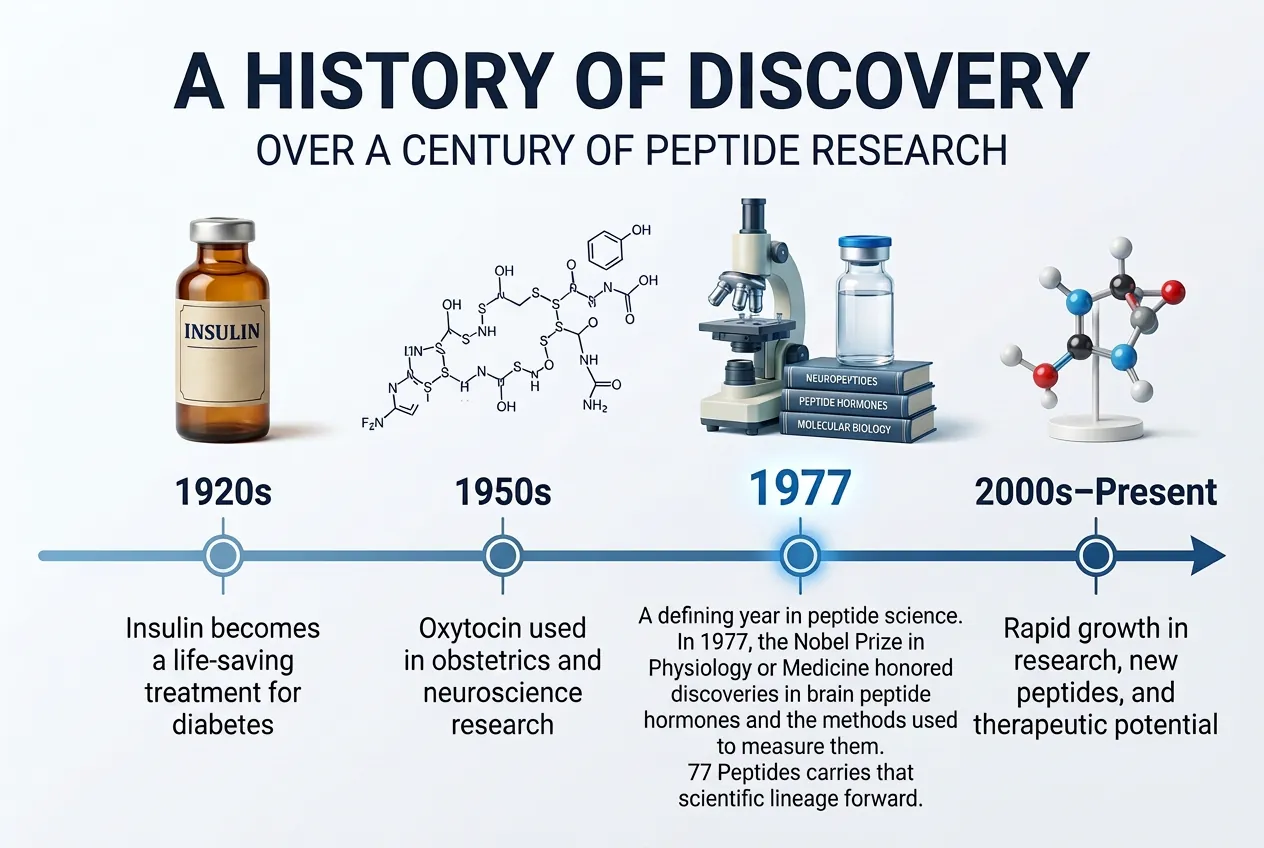
From the discoveries of 1977 to the next chapter in peptide science.
Explore research insights