PopularNew
Research Add-on Kit
Research KitResearch Use Only77 PEPTIDES
Research Add-on Kit
$43.99


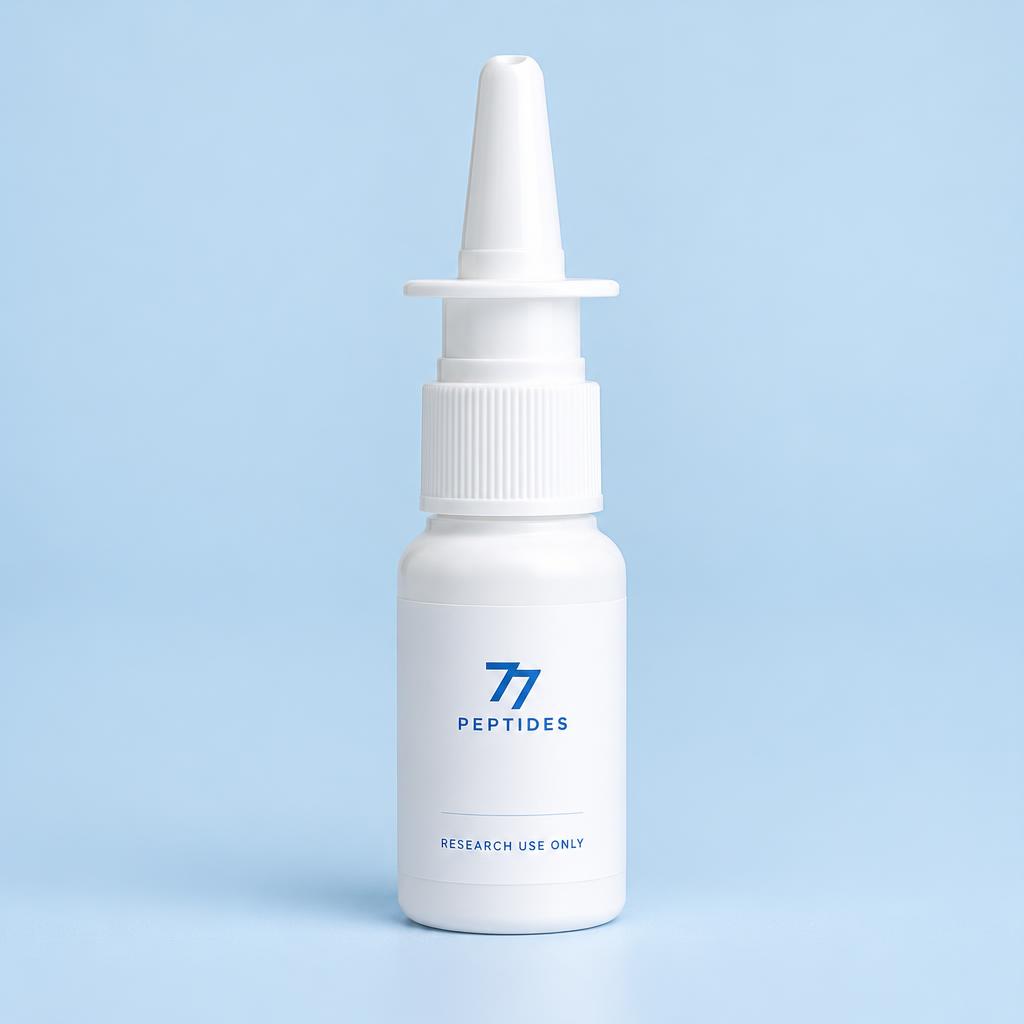
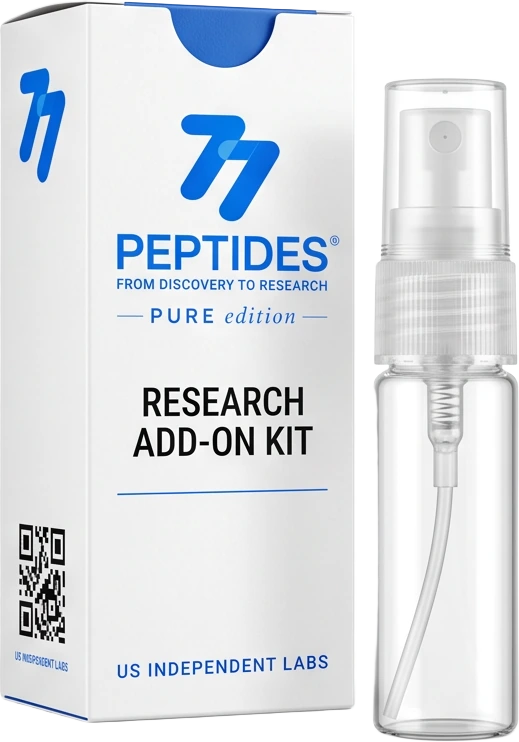
Epithalon research kit. Includes a lyophilized peptide vial and accessory components for laboratory research preparation. Intended for compound characterization, reference experiments, or laboratory training applications.
For laboratory research use only. Not for human or veterinary use.
Direct from manufacturer to researcher
Shipping options confirmed at checkout
For laboratory research only
 HPLC Testing
 Endotoxin Assay
 TYMC Test
 TAMC Test
 Heavy Metal Screening
| Molecular Formula | C14H22N4O9 |
|---|---|
| CAS | 307297-39-8 |
| Molar Mass | 390.34 g/mol |
| Chemical Formula | Ala-Glu-Asp-Gly |
| Amino Acid Sequence | Ala-Glu-Asp-Gly |
| Synonyms | Epithalon, Epithalone, Epitalon, Epithalamin |
| Solubility | Water-soluble |
| Organoleptic Profile | White powder |
| Composition | Synthetic tetrapeptide |
Handle according to the product label and your laboratory’s safety procedures. Wear appropriate protective equipment. Store in a cool, dry place protected from light. For laboratory research use only. Not for human or veterinary use.
The Epithalon Research Spray Kit includes a synthetic tetrapeptide (AEDG) paired with a precision spray applicator for laboratory use. This format supports scientific exploration of peptide interactions, cellular signaling, and gene expression models, while enabling comparative studies of peptide delivery methods. Designed strictly for research, the kit allows controlled investigation into solution stability, dispersion, and experimental outcomes. Research context only. No human or veterinary use.
All products on this site are for research and development use only. Products are not for human consumption of any kind. Neither the statements nor the products offered are intended to diagnose, treat, cure, or prevent any disease.
From the discoveries of 1977 to the next chapter in peptide science.
Explore research insights