PopularNew
BPC-157
10mgResearch Use Only77 PEPTIDES
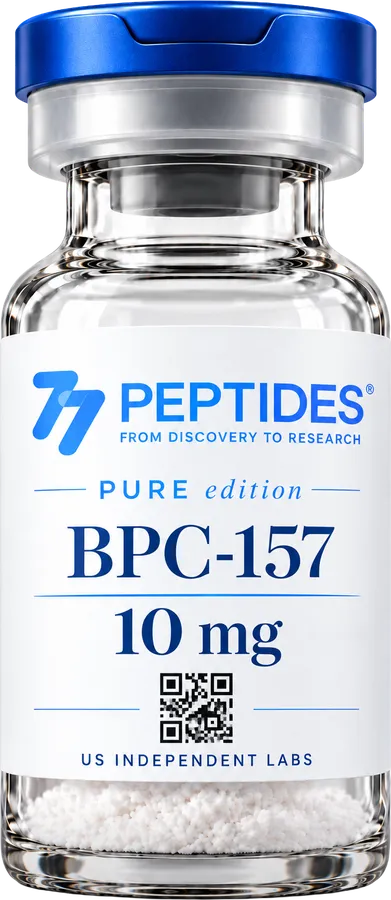
BPC-157
$59.99


NAD+ research compound, also known as Nicotinamide Adenine Dinucleotide. Supplied as a lyophilized peptide reference material for laboratory research applications.
For laboratory research use only. Not for human or veterinary use.
Direct from manufacturer to researcher
Shipping options confirmed at checkout
For laboratory research only
 HPLC Testing
 Endotoxin Assay
 TYMC Test
 TAMC Test
 Heavy Metal Screening
| Molecular Formula | C21H27N7O14P2 |
|---|---|
| CAS | 53-84-9 |
| Molar Mass | 663.43 g/mol |
| Synonyms | Diphosphopyridine nucleotide, Nadide, Coenzyme 1, DPN |
| Solubility | Soluble in Water |
| Organoleptic Profile | White powder |
| Composition | Lyophilized powder - requires reconstitution |
NAD+ acts as a critical coenzyme in redox reactions, accepting or donating electrons in metabolic pathways such as glycolysis, fatty acid oxidation, and the citric acid cycle. It is a substrate for sirtuins, NAD+-dependent deacetylases that remove acetyl groups from proteins and regulate gene expression. Sirtuins are involved in DNA repair, stress resistance, inflammation, and metabolic homeostasis, which helps explain several observed NAD+ benefits. NAD+ is also consumed by poly(ADP-ribose) polymerases (PARPs) in response to DNA damage. PARPs help repair DNA but can deplete NAD+ levels if overactivated. CD38, an enzyme that generates cyclic ADP-ribose, also consumes NAD+. NAD+ can be synthesized de novo from the amino acid tryptophan or through salvage pathways using precursors like nicotinic acid, nicotinamide, and nicotinamide riboside. Supplementing with these precursors can boost NAD+ levels.
Handle as a laboratory research chemical of unknown hazard. Use gloves and eye protection, avoid inhalation of the lyophilized powder, and follow standard laboratory handling procedures. Reconstitute and store according to the product label. Lyophilized material should be kept cool, dry and protected from light; reconstituted material should be held at 2-8°C and protected from light. The safety profile of NAD+ has not been established. This compound is supplied for laboratory research use only and is not approved for human or veterinary use.
NAD+ is a vital coenzyme involved in energy metabolism, DNA repair, cell signaling, and aging. NAD+ levels can be supported either directly through NAD+ injection or indirectly through NAD+ supplements that contain precursors used by the body to synthesize NAD+. NAD+ levels and their precursors are studied in relation to longevity, metabolic and cardiovascular measures, neurological function, DNA repair and inflammation. The safety profile of NAD+ precursors has not been established for the material supplied here, and dose-dependent effects reported in the literature have not been fully characterised. Research context only. No human or veterinary use.
All products on this site are for research and development use only. Products are not for human consumption of any kind. Neither the statements nor the products offered are intended to diagnose, treat, cure, or prevent any disease.
From the discoveries of 1977 to the next chapter in peptide science.
Explore research insights