PopularNew
BPC-157
10mgResearch Use Only77 PEPTIDES
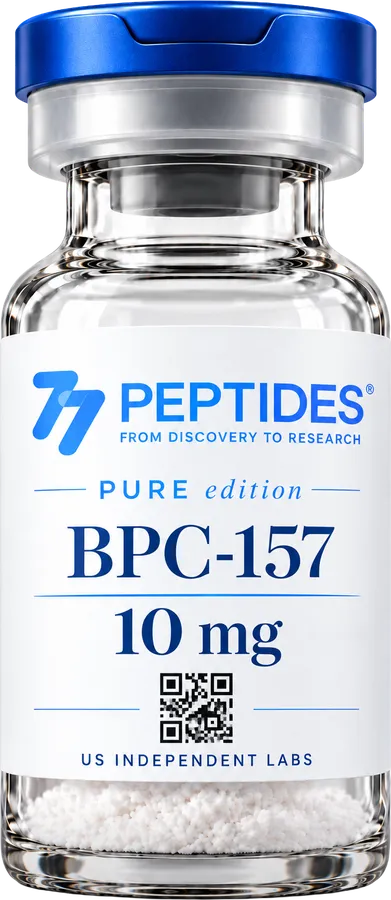
BPC-157
$59.99


Semaglutide research compound. Supplied as a lyophilized peptide for laboratory research applications.
For laboratory research use only. Not for human or veterinary use.
Direct from manufacturer to researcher
Shipping options confirmed at checkout
For laboratory research only
 HPLC Testing
 Endotoxin Assay
 TYMC Test
 TAMC Test
 Heavy Metal Screening
| Molecular Formula | C187H291N45O59 |
|---|---|
| CAS Number | 910463-68-2 |
| Molar Mass | 4113.641 g/mol |
| Amino Acid Sequence | His-Aib-Glu-Gly-Thr-Phe-Thr-Ser-Asp-Val-Ser-Ser-Tyr-Leu-Glu-Gly-Gln-Ala-Ala-Lys-Glu-Phe-Ile-Ala-Trp-Leu-Val-Arg-Gly-Arg-Gly-COOH |
| Synonyms | NN9535, NN9934, GLP1, GLP-1 |
| Solubility | Water-soluble |
| Organoleptic Profile | White to off-white powder |
| Composition | Lyophilized powder - requires reconstitution |
Semaglutide exerts its effects through several interconnected mechanisms: 1. GLP-1 Receptor Activation: Semaglutide binds to and activates GLP-1 receptors, which are expressed in various tissues including pancreatic islets, the gastrointestinal tract, and the central nervous system. This activation initiates intracellular signaling cascades, primarily through cyclic AMP (cAMP) and protein kinase A (PKA) pathways. 2. Pancreatic Effects: In pancreatic β-cells, semaglutide enhances glucose-stimulated insulin secretion by increasing intracellular cAMP levels and promoting calcium influx. Simultaneously, it inhibits glucagon secretion from α-cells, contributing to improved glucose homeostasis. 3. Central Nervous System Effects: Semaglutide crosses the blood-brain barrier and acts on GLP-1 receptors in the hypothalamus and brainstem. This central action modulates appetite-regulating neurons, leading to reduced food intake and increased satiety. 4. Gastrointestinal Effects: By slowing gastric emptying, semaglutide helps to reduce postprandial glucose excursions and contributes to the sensation of fullness. 5. Cardiovascular System: While the exact mechanisms are not fully elucidated, semaglutide appears to have direct and indirect effects on the cardiovascular system. These may include improvements in endothelial function, reduction in inflammation, and beneficial changes in lipid metabolism. 6. Metabolic Rate: Some studies suggest that semaglutide may influence energy expenditure, potentially through effects on brown adipose tissue activation, although this area requires further investigation. 7. Hepatic Effects: Semaglutide has been shown to reduce liver fat content in trial participants with non-alcoholic fatty liver disease (NAFLD), possibly through improvements in insulin sensitivity and lipid metabolism. The combined action of these mechanisms results in improved glycemic control, weight loss, and potential cardiovascular benefits observed in clinical studies. The complex interplay of these effects underscores the importance of continued research to fully elucidate the research relevance and physiological impacts of semaglutide and other GLP-1 receptor agonists.
Handle as a laboratory research chemical of unknown hazard. Use gloves and eye protection, avoid inhalation of the lyophilized powder, and follow standard laboratory handling procedures. Reconstitute and store according to the product label. Lyophilized material should be kept cool, dry and protected from light; reconstituted material should be held at 2-8°C and protected from light. The safety profile of Semaglutide has not been established. This compound is supplied for laboratory research use only and is not approved for human or veterinary use.
Semaglutide represents a significant advancement in GLP-1 receptor agonist research, offering a potent tool for investigating the multifaceted roles of GLP-1 signaling in metabolic and cardiovascular physiology. Its demonstrated efficacy in glycemic control, weight management, and potential cardiovascular benefits makes it a valuable subject for ongoing research in studies of T2DM, obesity, and related metabolic disorders. As investigations continue, semaglutide may provide insights into novel research approaches for addressing the growing global burden of metabolic and cardiovascular diseases. Research context only. No human or veterinary use.
All products on this site are for research and development use only. Products are not for human consumption of any kind. Neither the statements nor the products offered are intended to diagnose, treat, cure, or prevent any disease.
From the discoveries of 1977 to the next chapter in peptide science.
Explore research insights