New
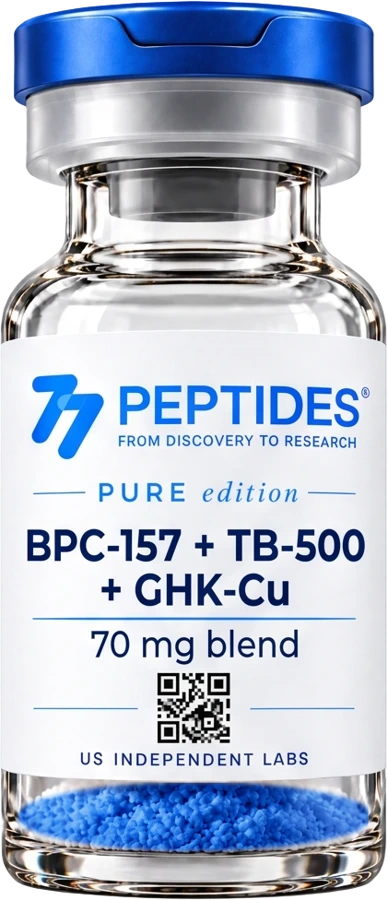
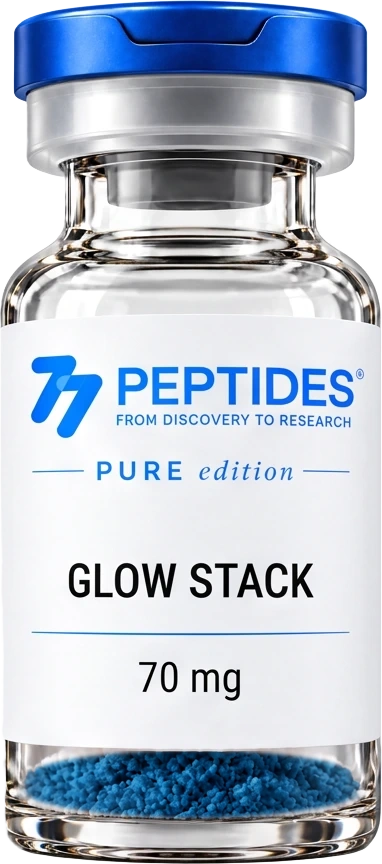
BPC-157 10mg + TB-500 10mg + GHK-Cu 50mg (70mg blend)
$324.99


Trusted by customers with 4.8/5 average rating.
Multi-peptide research blend. Multiple lyophilized peptide compounds supplied as a combined preparation for laboratory research applications. Intended for in vitro experimentation or analytical reference studies.
For laboratory research use only — Research Use Only (RUO).
Direct from manufacturer to researcher
Shipping options confirmed at checkout
For laboratory research only
 HPLC Testing
 Endotoxin Assay
 TYMC Test
 TAMC Test
 Heavy Metal Screening
| Molecular Formula | C62H98N16O22 (BPC-157), C212H350N56O78S (TB-500) |
|---|---|
| CAS Number | 137525-51-0 (BPC-157), 77591-33-4 (TB-500) |
| Molar Mass | 1419.56 g/mol (BPC-157), 4963.49 g/mol (TB-500) |
| Amino Acid Sequence | BPC-157: Gly-Glu-Pro-Pro-Pro-Gly-Lys-Pro-Ala-Asp-Asp-Ala-Gly-Leu-Val, TB-500: Ser-Asp-Lys-Pro-Asp-Met-Ala-Glu-Ile-Glu-Lys-Phe-Asp-Lys-Ser-Lys-Leu-Lys-Lys-Thr-Glu-Thr-Gln-Glu-Lys-Asn-Pro-Leu-Pro-Ser-Lys-Glu-Thr-Ile-Glu-Gln-Glu-Lys-Gln-Ala-Gly-Glu-Ser |
| Synonyms | Body Protection Compound-157, Thymosin β-4 |
| Solubility | Water-soluble |
| Organoleptic Profile | White lyophilized powder |
| Composition | Blend of BPC-157 and TB-500 peptides |
BPC-157 and TB-500 each have unique mechanisms of action that contribute to their combined effects. BPC-157 has been shown to promote angiogenesis, stimulate collagen synthesis, and modulate the nitric oxide (NO) system, which plays a crucial role in wound healing and tissue regeneration. Additionally, BPC-157 exhibits anti-inflammatory properties by modulating the activity of inflammatory mediators such as cytokines and free radicals. TB-500, on the other hand, is involved in the regulation of actin polymerization, a process essential for cell migration and tissue repair. It also promotes keratinocyte and endothelial cell migration, facilitating wound healing and angiogenesis. Furthermore, TB-500 has been shown to downregulate inflammatory cytokines, contributing to its anti-inflammatory effects. In combination, BPC-157 and TB-500 have been studied together in tissue-repair models. They promote the formation of new blood vessels, improve collagen synthesis, reduce inflammation, and support the migration and differentiation of cells involved in tissue repair.
Handle as a laboratory research chemical of unknown hazard. Use gloves and eye protection, avoid inhalation of the lyophilized powder, and follow standard laboratory handling procedures. Reconstitute and store according to the product label. Lyophilized material should be kept cool, dry and protected from light; reconstituted material should be held at 2-8°C and protected from light. The safety profile of BPC + TB4 combo has not been established. This compound is supplied for laboratory research use only and is approved for laboratory research use only (RUO).
The BPC-157 and TB-500 blend is a promising combination of peptides that offers a wide range of potential benefits for researchers investigating wound healing, tissue regeneration, and recovery. By working synergistically, these peptides promote angiogenesis, collagen synthesis, cell migration, and exhibit anti-inflammatory properties. As a versatile tool for researchers, the BPC-157 and TB-500 blend may open new avenues for the development of innovative therapies targeting various health conditions, including musculoskeletal injuries, neurological disorders, and cardiovascular diseases. Research context only. Research Use Only (RUO).
All products on this site are for research and development use only. All products are Research Use Only (RUO). Neither the statements nor the products offered are intended to diagnose, treat, cure, or prevent any disease.
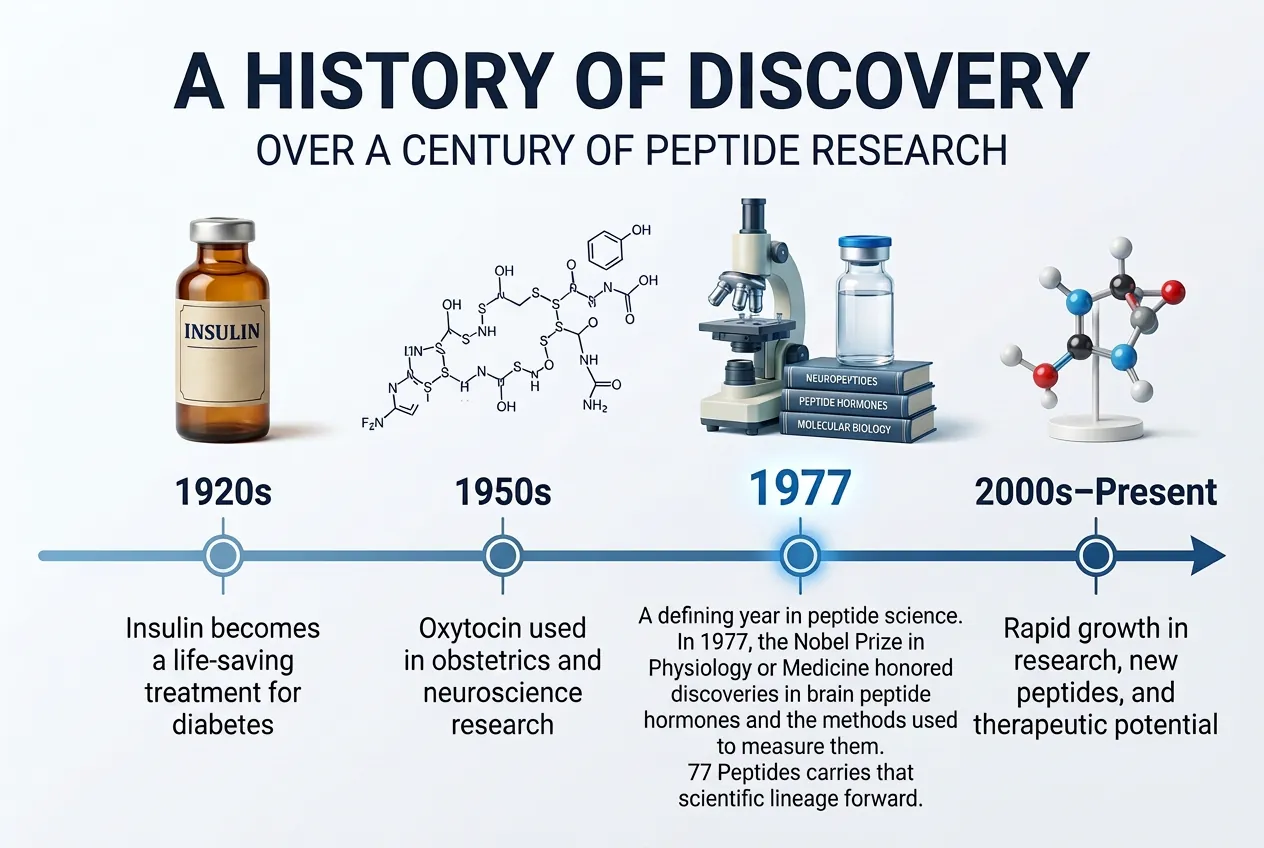
From the discoveries of 1977 to the next chapter in peptide science.
Explore research insights